Games About Solar System Exploration: The Best Space Board Games of 2026
I like board games. I like my kids. I like doing nothing while having the most fun possible. Space games let me do all three.
Space themes cover a lot of ground. You can spot a hidden planet. You can build a civilization across the stars. You can bluff an alien into giving up its turf.
This guide covers games about solar system exploration first. Then it moves on to strategic games with aliens, exploration, technology and terraforming. You’ll find easy starters and heavy brain-burners, plus links to check prices.
Here’s a quick map of where we’re going:
| Game | Players | Playtime | Complexity |
| SETI | 1–4 | About 40 min/player | 4/5 |
| Leaving Earth | 1–5 | 60–180 min | 4/5 |
| The Search for Planet X | 1–4 | 60–75 min | 3/5 |
| Terraforming Mars | 1–5 | 120 min | 4/5 |
| Gaia Project | 1–4 | 60–150 min | 5/5 |
| On Mars | 1–4 | 90–150 min | 5/5 |
| Planet Unknown | 1–6 | 60–80 min | 3/5 |
| The Crew | 2–5 | 20 min/mission | 3/5 |
Full details on all 24 games are below.
Why Space Themed Board Games Are Great
Most people think of Risk, Monopoly and Uno when you say “board games.” Those are rough game designs. Modern games are a different beast.
Space is a perfect theme. It’s big, mysterious and full of questions. And the theme often helps you learn the game.
Think about it. In SETI, you launch probes and observe with telescopes. The theme guides your actions. In Leaving Earth, you design spacecraft and plan trajectories. You pick up how a space program works just by playing.
The Search for Planet X works the same way. You survey a hidden solar system and use logic to find the planet. You’re thinking like an astronomer.
That’s why space games suit people who want to learn. The theme gives the rules a story. Rules with a story are easier to remember.
I love teaching games. I like being the one who explains the rules. A strong theme makes that job easier. Your table follows along because the actions make sense.
When I teach a game to new players or kids. The best way – I find – is to find a game that have a very well implemented theme. A theme that in of it selves can explain the rules as the rules makes sense.
Like the game SETI. It just makes sense that to get to Uranus you have to travel with your probe far away. And you have to time it since the solar system is rotating while the probe is traveling and traviling to Uranus takes a long time. So flying in a straight line would eventually make you miss the destination.
So you have to adapt to the revolving solar system. The mechanics are not always 1:1 with science and facts. But they do make sense in a game and makes it easier to explain the rules and mechanics.
Games About Solar System Exploration
These three games put science and discovery at the center. They’re perfect if you love real space ideas.
SETI: Search for Extraterrestrial Intelligence
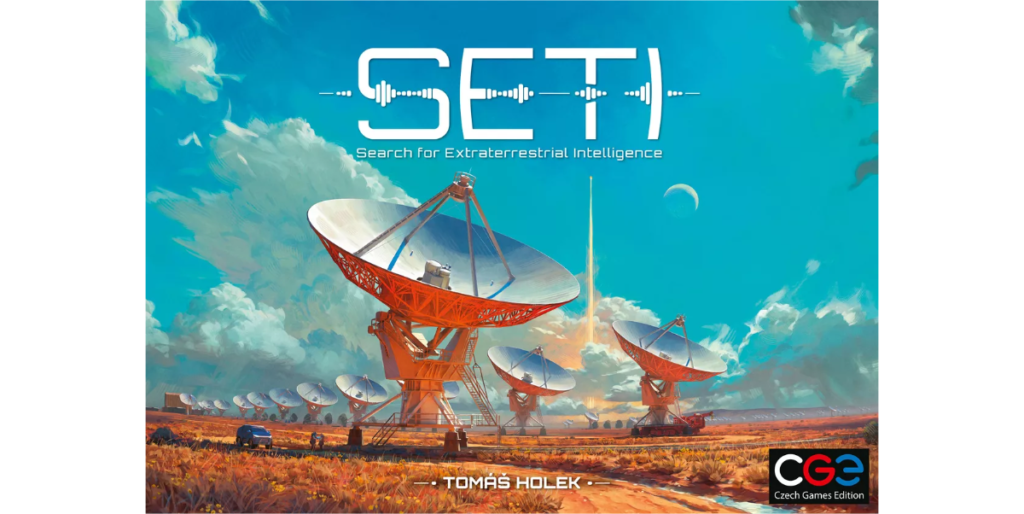
1–4 players | About 40 minutes per player | Ages 14+ | Complexity 4/5
Players select actions, develop technology and launch probes. They observe with telescopes, investigate planets and advance research.
The theme connects strongly to real scientific ideas. Research and tech choices feel rewarding. The goal is a direct search for life.
The catch? The playtime adds up with a full group. It suits players who like strategic planning.
Actions link tightly together. Discoveries come from your own choices, so progress feels earned.
Leaving Earth
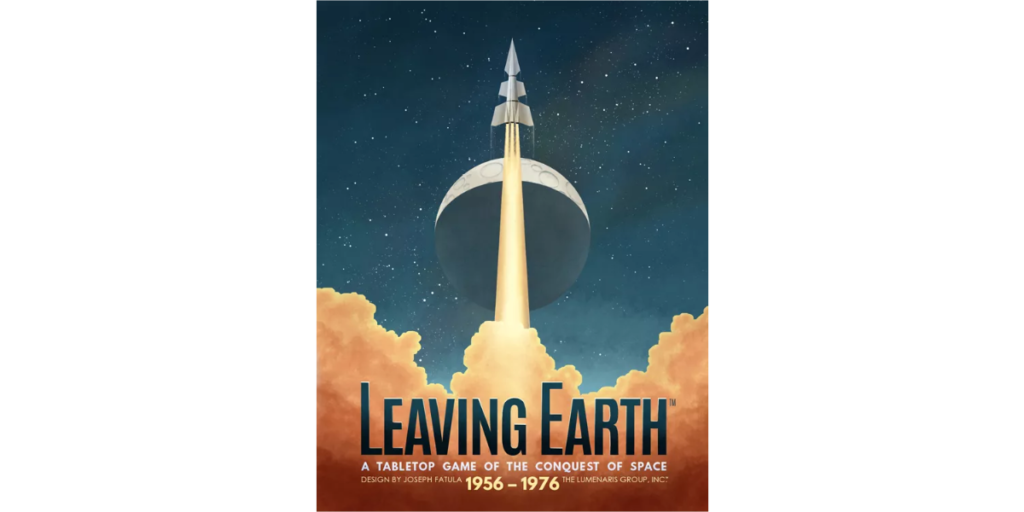
1–5 players | 60–180 minutes | Ages 14+ | Complexity 4/5
You research, design spacecraft and plan missions. You manage resources and uncertainty too.
The approach is historically inspired. Risk management matters. Careful prep pays off in every mission.
Missions can be demanding to plan. The pace is deliberate, not action-packed. It’s a slow burn, and that’s the point.
This game is on the more complex side of the other games on this list. But it is also very close to a real life example of space travel. And it has lot of calculation. So if the players or kids are good at math. This is a sure winner. But i could also just melt their brains.
The Search for Planet X
1–4 players | 60–75 minutes | Ages 10+ | Complexity 3/5
You survey a hidden solar system. You record clues and use logic to pin down Planet X.
The puzzles are logically consistent. Note-taking and inference are engaging. The app-assisted setup creates a fresh mystery each time.
It’s more of a logic puzzle than an exploration game. You need to enjoy deduction. If you do, it’s a treat.
Deduction is a term that is used when you want to deduce some information. Meaning you have a sort of mystery in front of you that you´ll have to figure out little by little by asking questions.
All players are doing this, so you have to listen to what other players questions are and how they react as this could give you a hint of what their answer was without hearing the answer.
Strategic Games With Aliens, Exploration, Technology and Terraforming
Now we leave our own backyard. These games are for players who want to build, expand and outwit.
Terraforming Mars
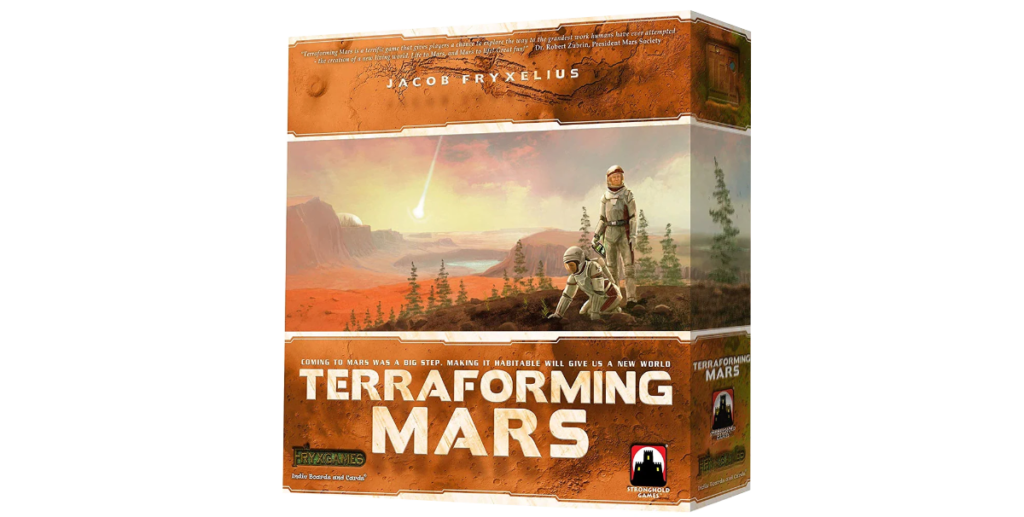
1–5 players | 120 minutes | Ages 12+ | Complexity 4/5
You build card-driven engines and manage resources. You place tiles and chase milestones and awards as Mars changes.
There’s a large variety of cards and strategies. You can see the planet transform. The engine building is long-term.
A full game takes time. The many cards and systems may feel dense to new players.
Still, it blends long-range planning with visible progress. The board and your engine grow together.
This game is my wifes favorite board game. The theme is very strong and very interresting. Keep in mind she is not er vived board gamer or especially interested in space and terraforming. Byt this game just clicked.
Gaia Project
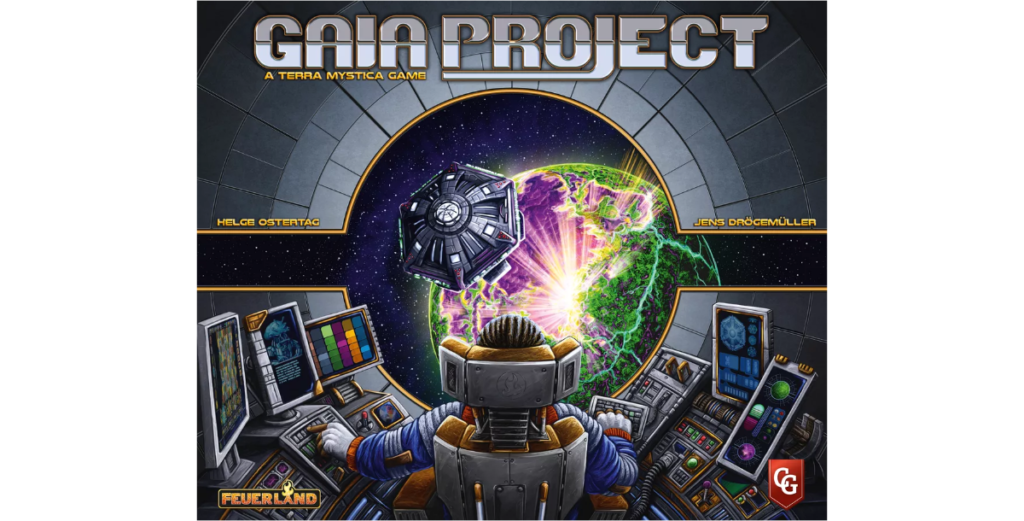
1–4 players | 60–150 minutes | Ages 12+ | Complexity 5/5
Asymmetric factions expand, terraform and manage power. They convert resources and climb technology tracks.
You get fourteen factions or alien races and real strategic depth. Variable scoring helps replayability.
Fair warning: complexity is very high. The linked optimization is a steep learning curve. Faction abilities create different puzzles, so careful adaptation pays off across plays.
What an interesting game. It is kinda sandboxy game with very asymmertric player powers. Where you really have to play into your faction/races special power or way to play.
It is not a light game and s small mistake can really mess your game up. You wont get it on your first play. Give it a couple of plays and you´ll really see the beauty in it.
Eclipse: Second Dawn for the Galaxy
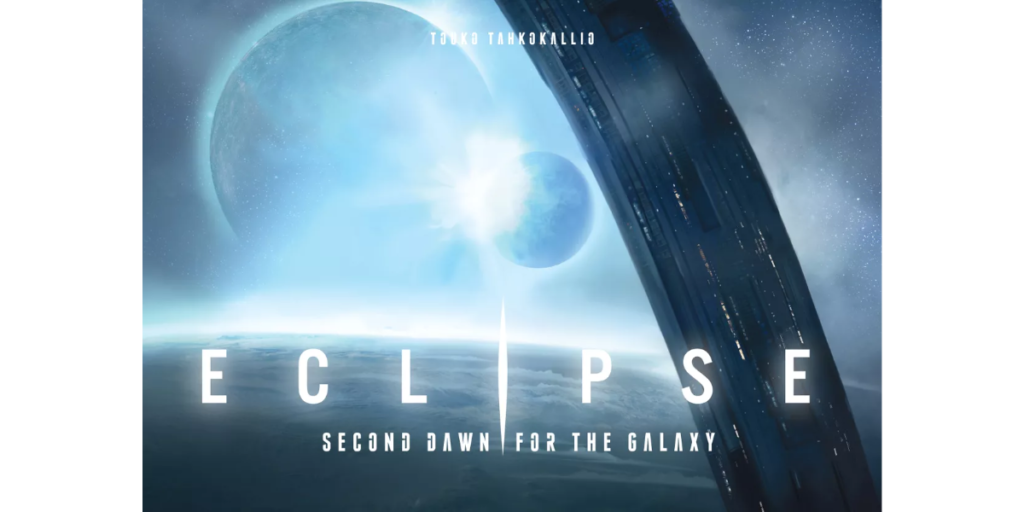
2–6 players | 60–200 minutes | Ages 14+ | Complexity 4/5
You explore a modular galaxy and research technologies. You customize ships, manage an economy, and fight for control.
There are multiple paths to building a civilization. Ship customization and diplomacy add variety.
Playtime varies widely. You’ll need to be comfortable with combat, negotiation and several connected systems. Exploration, tech, economics and conflict all shape the galaxy.
Beyond the Sun
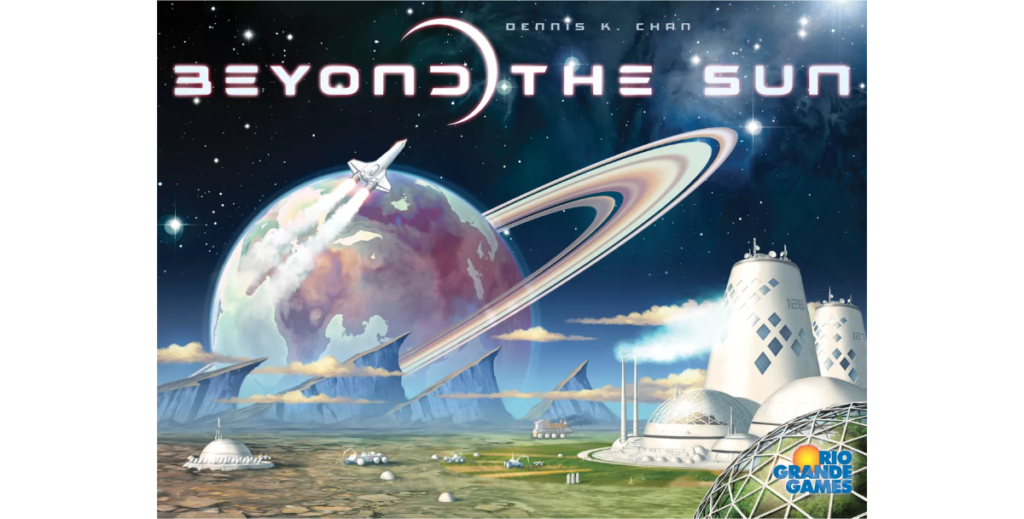
2–4 players | 90–120 minutes | Ages 14+ | Complexity 4/5
You develop a civilization with action selection, resource management and tableau building. All players share one technology tree.
You see your scientific path clearly. Tech decisions stay focused. The rules don’t sprawl.
If you want detailed ship combat or a big exploration sandbox, look elsewhere. But the shared tree makes progress tangible.
Cosmic Encounter
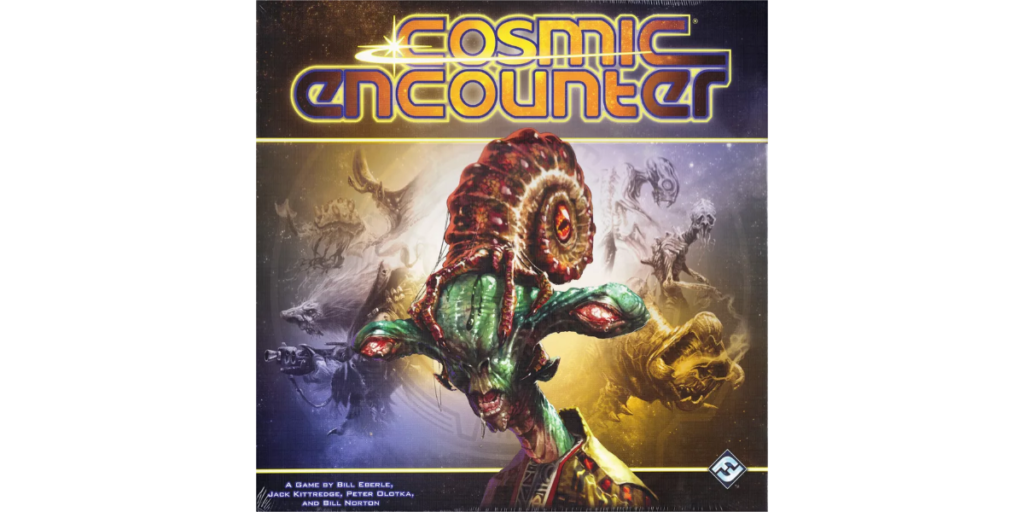
3–5 players | 60–120 minutes | Ages 14+ | Complexity 3/5
This one’s all about aliens. You negotiate, form alliances, bluff and contest territory. Asymmetric alien powers change how the game works.
The alien abilities are highly variable. Negotiation is central. The interactions are memorable and unpredictable.
Outcomes can get chaotic. If you want a controlled economic sim, this isn’t it. If you like teasing your friends, it’s perfect.
Planet Unknown
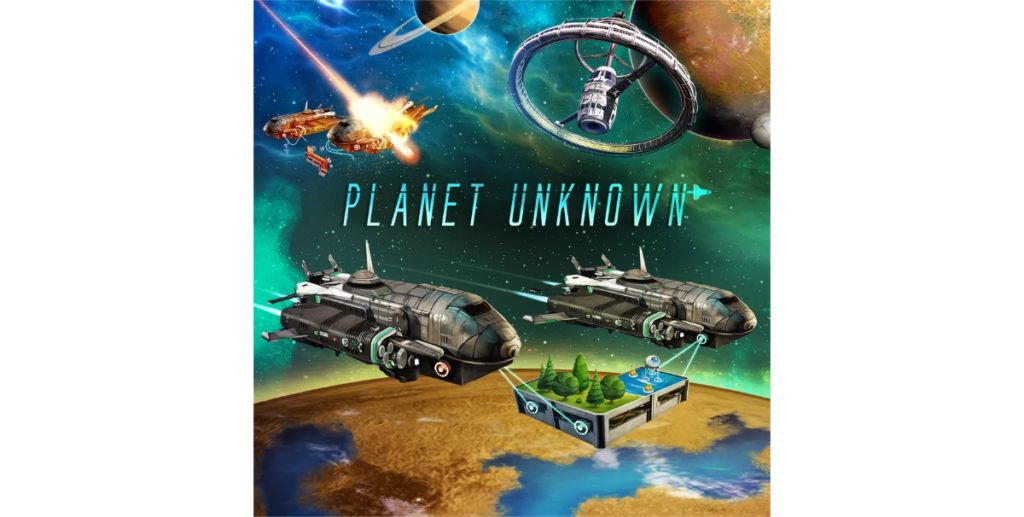
1–6 players | 60–80 minutes | Ages 10+ | Complexity 3/5
You place polyomino tiles on asymmetric planets. You manage resource tracks and pursue milestones.
The terraforming theme comes with approachable rules. Everyone picks at the same time. Asymmetric planets help replayability.
Tile placement can feel spatially demanding. It’s lighter on simulation than heavier terraforming games. A rotating market adds tactical pressure.
Race for the Galaxy
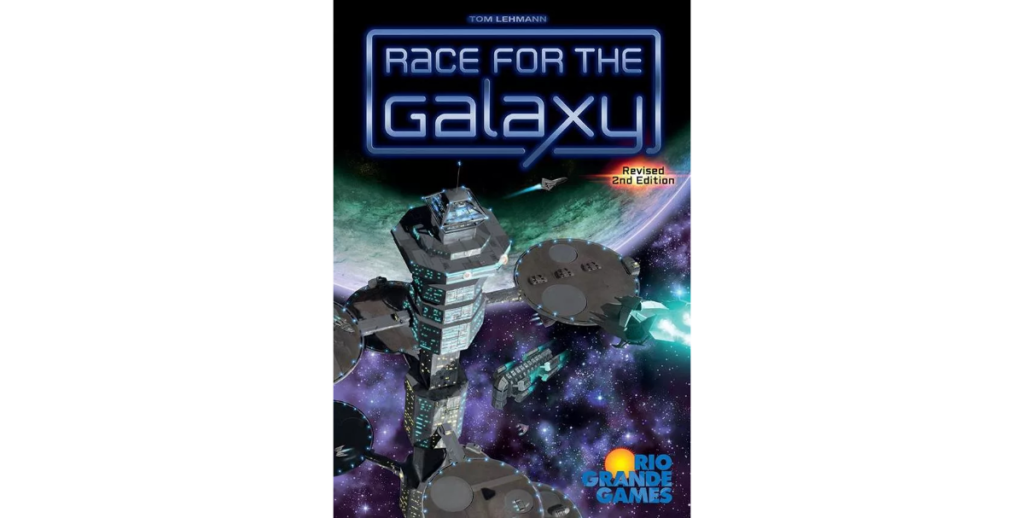
2–4 players | 30–60 minutes | Ages 12+ | Complexity 4/5
Players choose actions at the same time. You build card tableaus around production, consumption and card synergies.
The decisions run deep for such a short game. Replayability is strong. Engine building is efficient.
The iconography takes time to learn. Synergies may be hidden from new players. But it packs lots of strategy into a quick card game.
Roll for the Galaxy
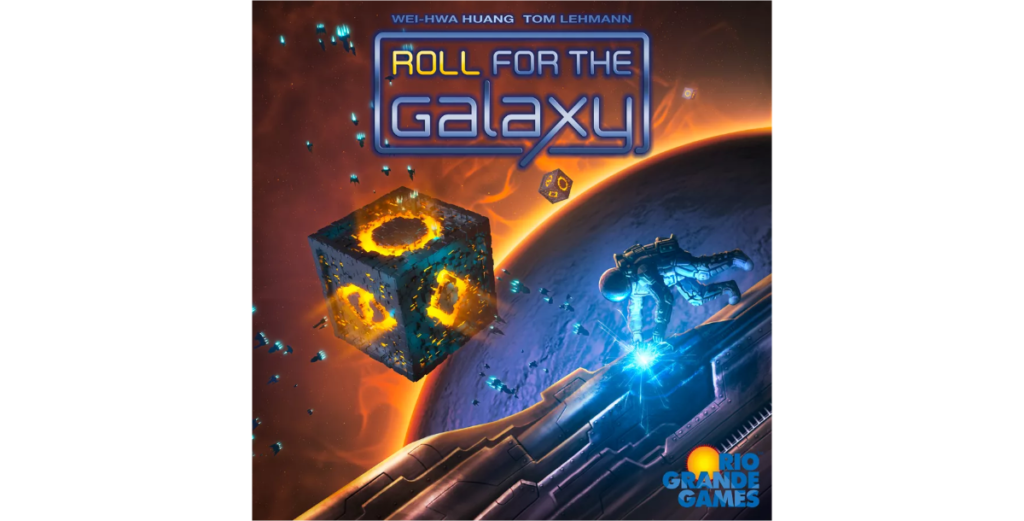
2–5 players | 45–60 minutes | Ages 13+ | Complexity 4/5
You assign dice as workers and select phases. You develop worlds and tech, then build production and shipping engines.
Dice make worker assignment flexible. Play is simultaneous. You plan around likely actions and adapt to what you roll.
You’ll need to handle uncertainty. The depth may take several plays to show.
Tiny Epic Galaxies
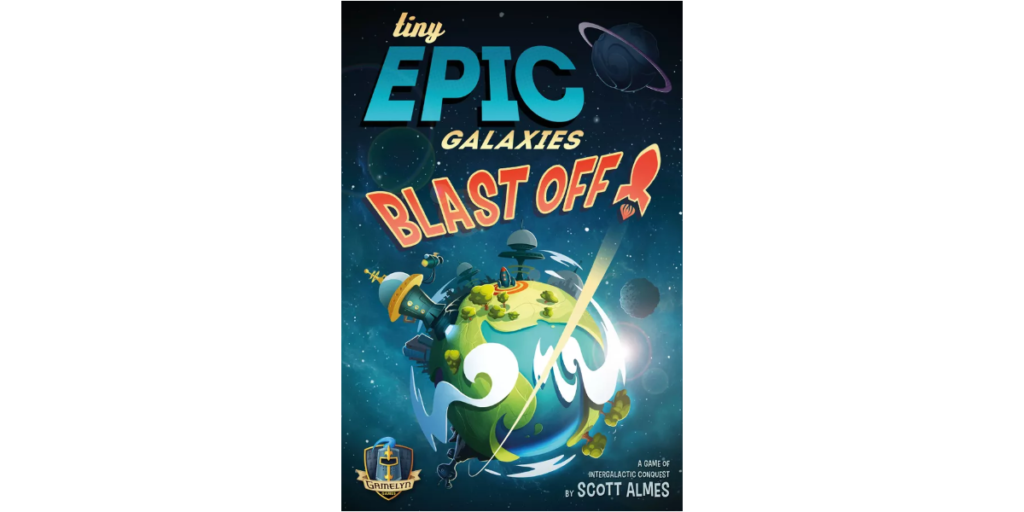
1–5 players | 30–60 minutes | Ages 14+ | Complexity 3/5
You allocate dice, chain actions and pursue missions. You compete for control and follow your opponents’ actions.
The format is compact. Decisions are tactical. Dice manipulation keeps you engaged.
Dice add uncertainty. And a small box doesn’t mean a light decision load. It still packs meaningful choices into a short game.
Space Base
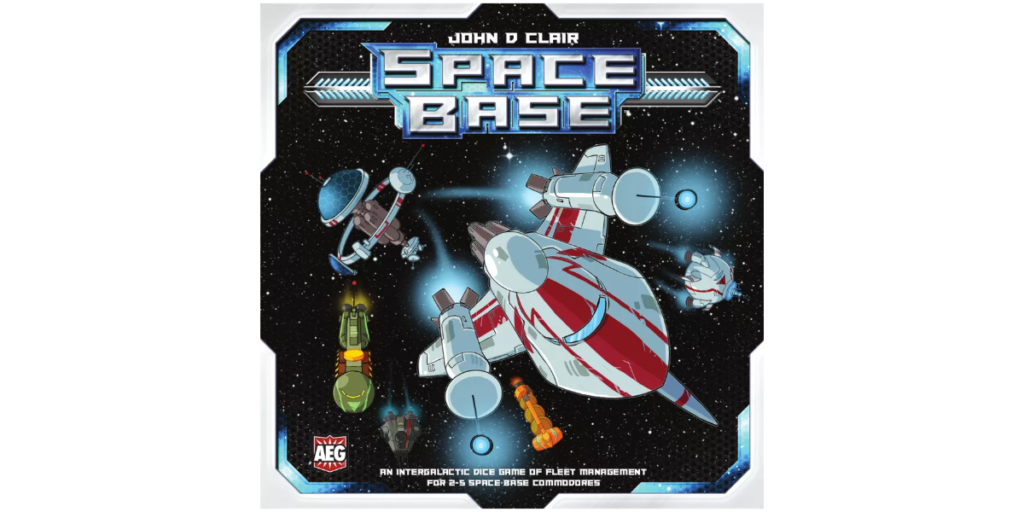
2–5 players | 60–120 minutes | Ages 14+ | Complexity 3/5
You roll dice and build a tableau of upgraded cards. Income and effects trigger, even on opponents’ turns.
The engine building is accessible. Effects come often. You can see your progress easily.
Dice bring randomness. The playtime may run longer than you’d expect from a lighter engine game. But you stay engaged between your own turns.
Galactic Cruise
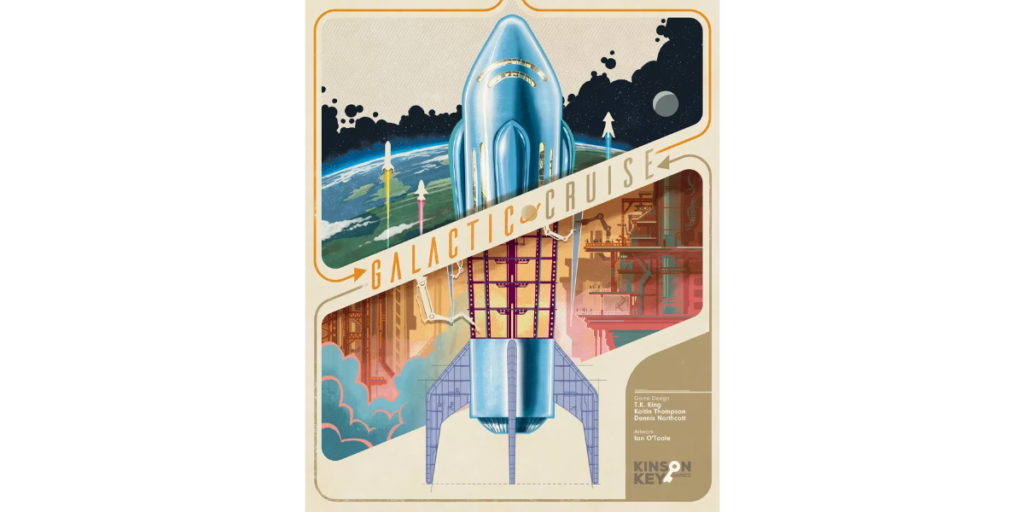
1–4 players | 90–150 minutes | Ages 14+ | Complexity 4/5
You build spacecraft, plan routes and fulfill contracts. You run an interstellar travel business with worker placement and action programming.
The space-tourism premise is distinctive. Planning and engine building connect well. Route and contract choices feel satisfying.
It’s a heavy game, and the teach is longer. Experienced players will enjoy it most.
Conflict, Adventure and Story Among the Stars
Want drama instead of spreadsheets? These games bring the stories.
Star Wars: Rebellion
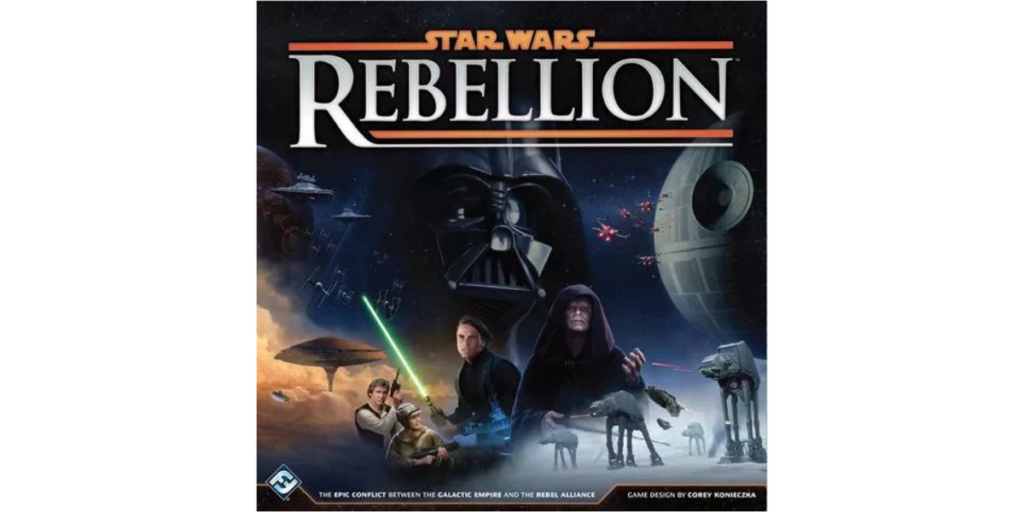
2–4 players | 180–240 minutes | Ages 14+ | Complexity 4/5
The Empire hunts for the Rebel base. The Rebels run missions and build support. Hidden objectives, deduction and conflict drive it all.
The roles are strongly asymmetric. The search-and-hide structure is tense. Missions evoke the original-trilogy conflict.
It’s long. It suits players who want a big Star Wars strategy game. The cat-and-mouse chase is the star.
Battlestar Galactica: The Board Game
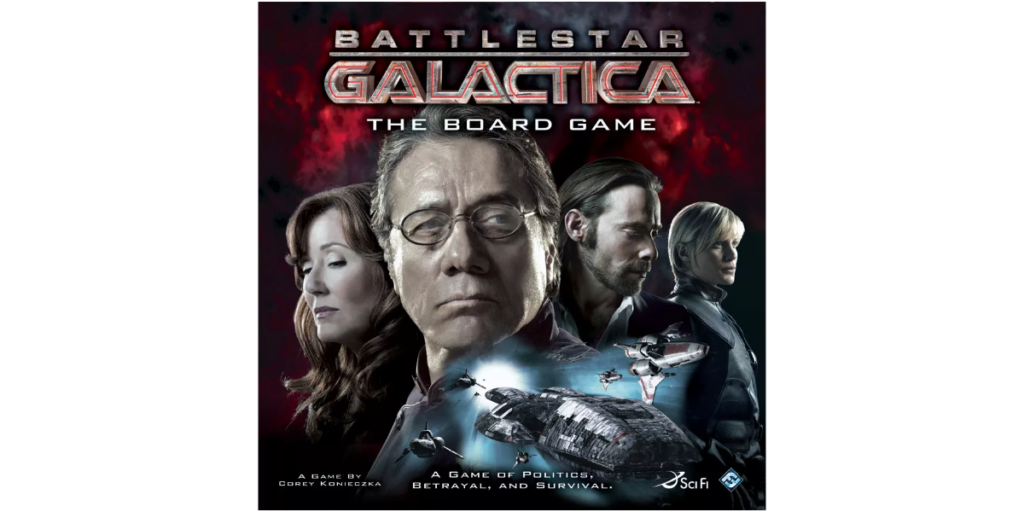
3–6 players | 120–180 minutes | Ages 14+ | Complexity 4/5
You manage crises and dwindling resources. Hidden Cylon agendas threaten the fleet. Voting and negotiation shape group choices.
Social deduction is built into resource management. Group talk matters. Hidden loyalties breed suspicion.
Hidden traitors aren’t for every group. You need at least three players. But suspicion affects real decisions, so it ties directly to the fight to keep the fleet alive.
Star Wars: Outer Rim
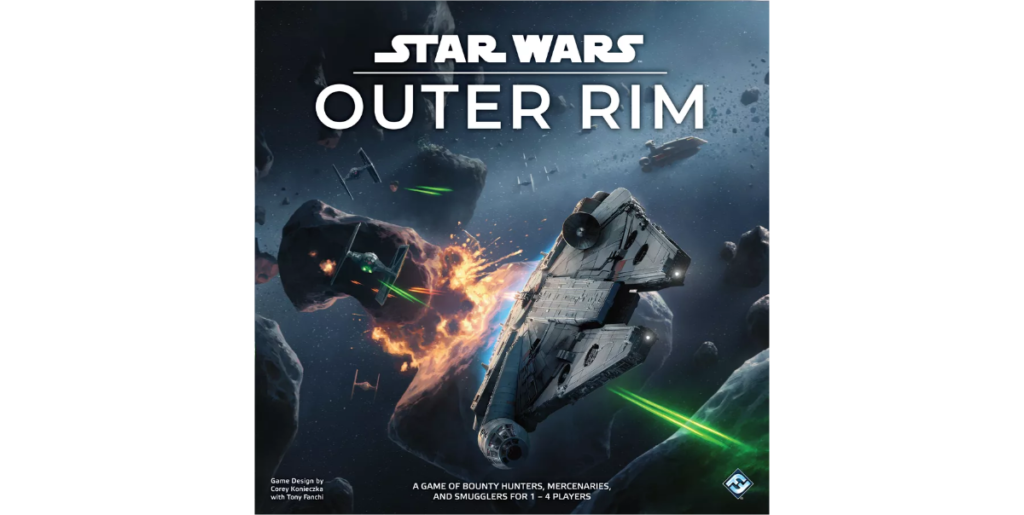
1–4 players | 120–180 minutes | Ages 14+ | Complexity 3/5
You move through an open galaxy and gain equipment. You complete contracts, meet characters and build a reputation.
The structure is open-world. Characters progress. Jobs and encounters vary.
It’s long. It fits players who want a character-driven sandbox more than a faction war. You play a bounty hunter or smuggler and make your own way.
Xia: Legends of a Drift System

3–5 players | 60–180 minutes | Ages 12+ | Complexity 4/5
You explore a modular galaxy, trade and upgrade ships. You navigate with dice and chase missions and emergent goals.
You choose your own play style. Exploration is modular. Player-made stories pop up often.
Open-ended play may feel less tightly balanced. Playtime varies a lot. But different routes to success can emerge.
Firefly: The Board Game
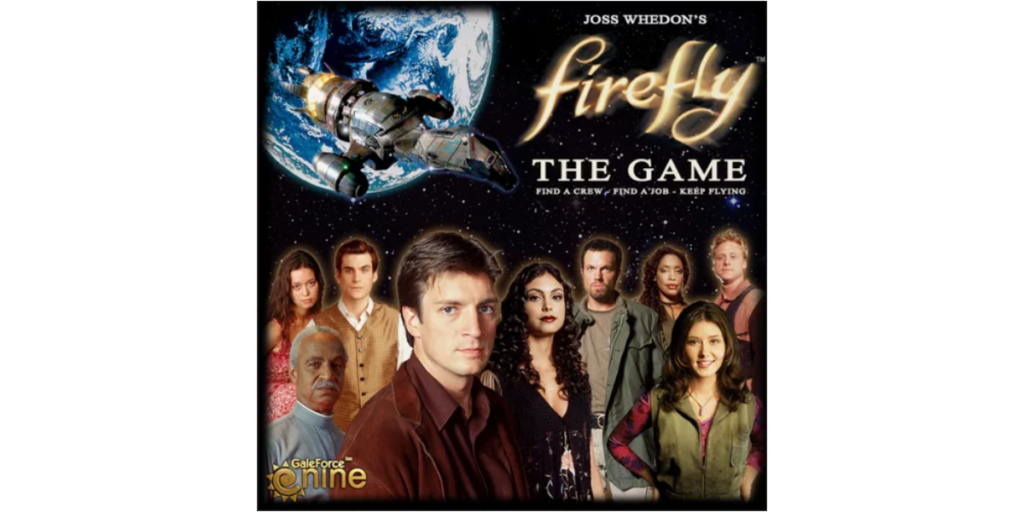
1–5 players | 120–210 minutes | Ages 13+ | Complexity 3/5
You hire crew and take jobs. You travel through the ‘Verse and manage encounters and risks.
The setting and crew theme are strong. Job-taking is narrative. Fans will spot familiar threats and characters.
It’s long and more adventure-driven than streamlined. Jobs, crew and encounters create a string of stories shaped by your choices.
Galaxy Trucker
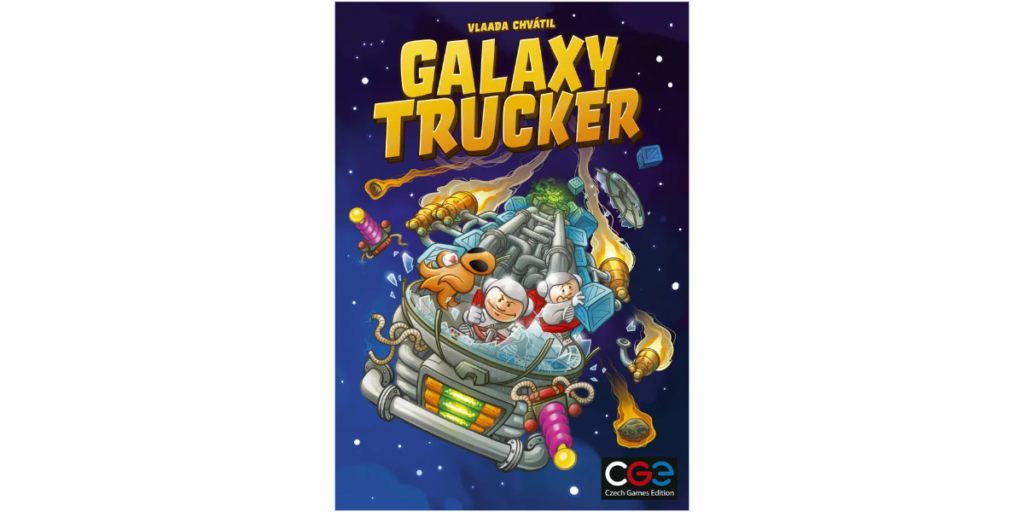
2–4 players | 60–90 minutes | Ages 8+ | Complexity 3/5
You race to draft ship tiles and build a vessel. Then you face hazards and resource challenges along a route.
Construction is fast and frantic. Hazards are dramatic. Comic failures make memorable stories.
Real-time play can feel hectic. The journey is unpredictable. You build your own ship, then test it against space.
Moon and Mars Colony Games
On Mars
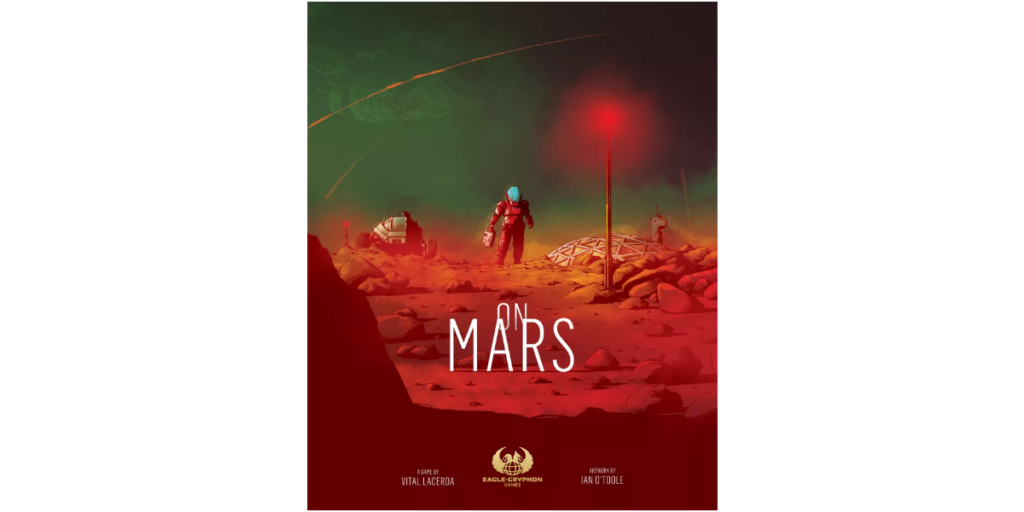
1–4 players | 90–150 minutes | Ages 14+ | Complexity 5/5
Worker placement, logistics, research and colony building combine. Orbital and surface actions link in a tight system.
It’s a detailed Mars-colony sim. Many strategic systems interact. Planning decisions run rich.
It’s very demanding. The long playtime and linked systems call for an experienced group. But orbit, surface, transport and research all feel like one coordinated job.
Shackleton Base: A Journey to the Moon
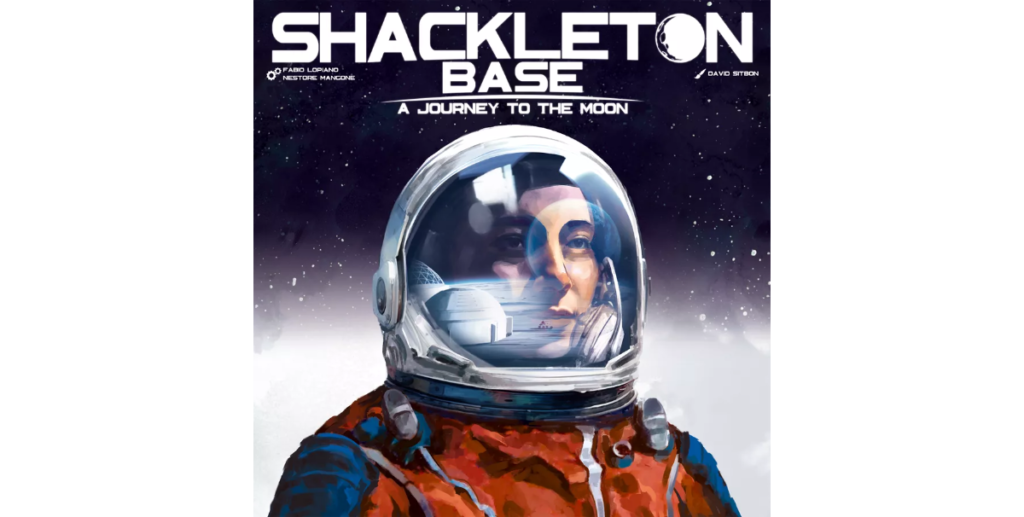
1–4 players | 60–120 minutes | Ages 14+ | Complexity 4/5
You develop a lunar base with tile placement, area majority and contracts. You manage resources and chase corporation objectives.
The lunar setting is focused. Shared infrastructure creates competition. Asymmetric corporations give players different aims.
If you want a broad galaxy, you may prefer another game. Several systems shape each turn. Still, base growth becomes a strategic contest.
Shorter Sessions for Busy Tables
The Crew: The Quest for Planet Nine
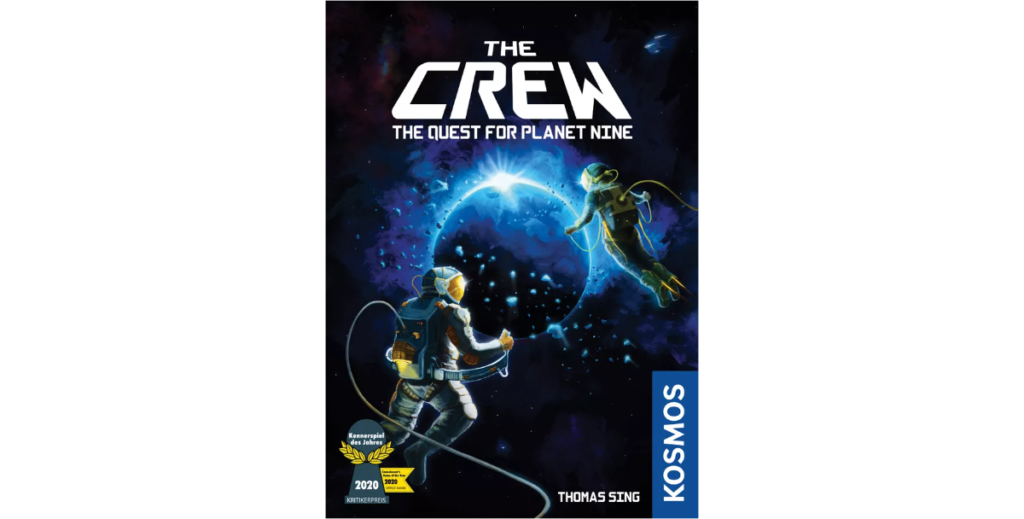
2–5 players | About 20 minutes per mission | Ages 10+ | Complexity 3/5
You complete cooperative trick-taking objectives. You talk under restrictions.
Missions are short. Play is cooperative. Difficulty rises as you go, so you feel progress.
The communication limits may frustrate players who like open talk. The space theme comes through missions, not simulation. Coordination is the heart of each one.
Welcome to the Moon
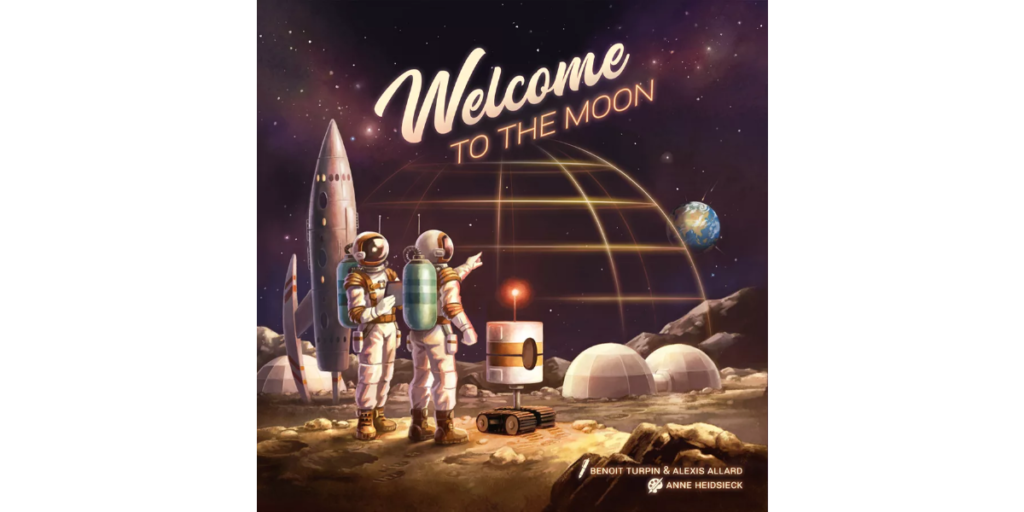
1–6 players | 25–30 minutes | Ages 10+ | Complexity 3/5
You use flip-and-write actions to place numbers and build routes. You complete objectives across campaign scenarios.
Play is quick. You get solo and group options. The campaign adds variety.
It’s lighter and more puzzle-focused than a detailed space sim. If you want strategic combat, look elsewhere. Otherwise, it’s easy to revisit.
Good Beginner Space Exploration Board Games
Let’s talk about weight. Weight is the complexity score of a game. It tells you how heavy the rules and decisions feel.
I have strong opinions on this. A weight score is a guide, not a verdict. Still, it helps you pick a game for the right table.
In this guide, the lowest complexity rating is 3/5. So you don’t need to be an extreme nerd to enjoy space games. Plenty of them are friendly.
These are the good beginner space exploration board games from our list. They’re rated 3/5, and I’ve picked the best for newcomers:
- Galaxy Trucker (ages 8+): Fast ship building and wild hazards. The youngest age rating on the list.
- The Crew: The Quest for Planet Nine (ages 10+): Short cooperative missions.
- Welcome to the Moon (ages 10+): A quick flip-and-write puzzle, with solo play.
- Planet Unknown (ages 10+): Terraforming with approachable rules.
- The Search for Planet X (ages 10+): Astronomy-themed deduction.
- Cosmic Encounter (ages 14+): Alien powers and negotiation.
- Space Base (ages 14+): Accessible engine building.
- Tiny Epic Galaxies (ages 14+): Compact, tactical, and short.
Mechanics matter here too. Dice rolling, flip-and-write and tile placement are easy to explain. Short teaches make for happy tables. I like keeping my rule explanations clean: teach, then play.
Good Advanced Space Themed Board Games
Some of you like a steep learning curve. You like the payoff of a great game in space. This section is for you.
The highest complexity rating here is 5/5. Two games hold it:
- Gaia Project (1–4 players, 60–150 minutes): Fourteen asymmetric factions, power management and technology tracks. Very high complexity.
- On Mars (1–4 players, 90–150 minutes): Worker placement, logistics, research and colony building in one tight system.
Next come the 4/5 games. They’re heavy, but each takes a different route:
- SETI: Research, probes and telescopes.
- Leaving Earth: Mission planning and risk.
- Terraforming Mars: Card engines and planet change.
- Eclipse: Second Dawn for the Galaxy: Exploration, economy and combat.
- Beyond the Sun: A shared technology tree.
- Galactic Cruise: Routes, contracts and a travel business.
- Shackleton Base: Lunar tile placement and area majority.
These games use deeper mechanics. Think worker placement, action programming, area control and tableau building. They reward patience. The second play is always better than the first.
How to Pick Your Space Game
Match the game to the experience you want:
- Planet transformation: Terraforming Mars or Planet Unknown.
- A detailed Mars settlement: On Mars.
- Lunar development: Shackleton Base or Welcome to the Moon.
- Science and discovery: SETI or The Search for Planet X.
- Alien factions and civilizations: Gaia Project or Beyond the Sun.
- Galaxy-wide conflict: Eclipse: Second Dawn for the Galaxy.
- Hidden agendas: Battlestar Galactica.
- A Star Wars showdown: Star Wars: Rebellion.
- Freeform adventure: Xia or Star Wars: Outer Rim.
- Quick card and dice sessions: Race for the Galaxy, Roll for the Galaxy or Tiny Epic Galaxies.
- Cooperative play: The Crew.
Check player counts too. Gaia Project and On Mars play up to four. Planet Unknown and Welcome to the Moon go up to six.
My Final Picks
- Best all-around heavy choice: Terraforming Mars. Broad strategy and visible planetary growth.
- Best for expert optimization: Gaia Project.
- Best for realistic space science: SETI.
- Best for a complex Mars colony: On Mars.
- Best for galactic conflict: Eclipse: Second Dawn for the Galaxy.
- Best for a shorter cooperative mission: The Crew.
Space games make a great way to bring people into the hobby. Pick one, teach it with a smile, and watch the table light up. Then ask your friends who still plays Monopoly. I’ll wait.
Editorial Disclosure: Cubesalad is reader-supported. When you buy through links on our site, we may earn an affiliate commission at no extra cost to you. Read more.