Introduction & Overview
Pretty tiles. Simple rules. And a very good chance that someone steals the exact tile you wanted. That is Azul in one breath. It looks calm on the table, but it can get sneaky fast.
This Azul board game review covers how the game works, what makes it so popular and where it can annoy you. It is a modern classic for a good reason.
What Is Azul?
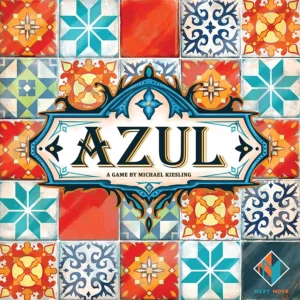
In this game, you decorate a palace wall with colourful tiles. The tiles are inspired by Portuguese azulejo tiles. Each player builds their own wall, one tile at a time.
The player with the most points at the end wins. You score by finishing pattern rows, placing tiles on your wall and hitting end-game bonuses. It is an abstract game with a lovely look. Not much story, lots of puzzle.
How Azul Works: Rules & Core Gameplay Loop
Factory Drafting & Centre Pool
The game runs in rounds. In every round, players take turns picking tiles. It is a steady rhythm that is easy to follow, and nobody waits long for their turn.
Each round, you pick tiles from the table. You take all the tiles of one colour. You can take them from a factory display or from the centre of the table.
That is your whole turn. Pick a colour. Take every tile of that colour. Simple. This is open drafting, and everyone can see what is on offer.
Pattern Rows and Wall Tiling
Next, you place your tiles in a pattern row. A row only counts when it is full. Once a row is full, one tile moves over to your wall. That is how you build your palace decoration.
This is the pattern building part. You plan ahead and try to fill your rows. Your wall grows slowly, and each tile can score points.
The Floor Line & Negative Penalties
Here is the sting. If you take more tiles than you can use, the extras fall to the floor. Floor tiles give you minus points.
So grabbing a big pile of tiles can hurt. You may take the tiles you need, but you may also take a lot of extra. Choose with care.
End Game Bonuses
When the game ends, you also score end-game bonuses. These reward good planning over the whole game. So the final score is not only about the last round.
What Makes it Great?
Outstanding Component Quality & Visual Appeal
Azul is a beauty. The tiles look good, and they feel good in your hand. People notice it on the table. It is a fine pick if you love tactile puzzle board games.
Low Barrier to Entry with Sharp Tactical Play
You can teach it in a few minutes. Take a colour. Fill a row. Watch the floor. The complexity is about 1.8 out of 5, so it is very light.
But the choices bite. Every pick changes what is left for the next player. That is where the sharp tactics come in.
Strong Replayability
Players give it a score of around 7.9 out of 10. That is a high mark for such a simple game. No game feels quite the same, since the tiles come out differently each time. You will want another round.
A Few Strategy Tips
Do not grab too many tiles at once. The floor line will punish you. Look at what your rivals need, too. Sometimes the best pick is the one that hurts them most.
It is also a joy to teach. The steps are short and clear. New players catch on fast, and then the table gets quiet while everyone thinks. That is a good sign.
Potential Drawbacks & Pitfalls
Mean Drafting Can Sting
Azul can feel harsh. Other players may take the very tiles you need. It is not personal. Well, a little bit personal.
If your group hates having plans blocked, this will test your nerves.
Abstract Theme Integration
The theme is nice, but it is thin. You will not feel like a palace builder. You will feel like a puzzle solver with pretty pieces. If you want a story, look elsewhere.
How Does it Compare to Other Abstract & Tile Games?
Azul vs. Cascadia
Cascadia is a tile-laying game with patterns and a nature theme. It has no nature theme. It is a cleaner and more abstract game about drafting and patterns.
Read our review of Cascadia here.
Azul vs. Calico & Harmonies
Calico is a lighter pattern puzzle. Harmonies is about tile placement and animal habitats. Both are cosy and friendly.
Azul feels sharper. Your rivals can take what you need. So it has more bite than those two.
Read our review of Harmonies here.
Azul vs. Azul: Summer Pavilion
Azul: Summer Pavilion is the direct follow-up. It has a slightly different wall and scoring setup. If you want to start with the first one, Azul is the simple choice. If you already love it, the follow-up is a nice next step.
Who Should Buy Azul?
Perfect for Families, Gateway Gamers, and Competitive Pairs
It fits families and casual players. It also suits experienced gamers who want a short, abstract strategy game. It works well as a family strategy board game, since the age rating is 8+.
Looking for the best tile drafting board games? Azul is a top name on that list.
Who Might Want a Different Game?
Skip this game if you hate having your plans blocked. Skip it if you want a strong story. The theme is there, but it stays in the background.
Final Verdict & Rating
It is easy to learn, quick to play and lovely to look at. The drafting is smart, and the floor line adds a nice sting. It is a great gateway to modern board games.
A game is over in 30 to 45 minutes, so it never drags on. It also has limits. It can feel mean, and the theme is light. But if you like puzzles with a little bite, it is hard to beat.
Who Should Play It?
Play Azul if you like short, smart games with pretty pieces. Play it with family, with friends or as a duel. Skip it if you want a story or a gentle, no-blocking game.
Frequently Asked Questions (FAQ)
Is Azul difficult to learn for beginners?
No. It has a complexity of about 1.8 out of 5 and an age rating of 8+. Each turn is a simple choice: pick tiles of one colour from a factory or the centre.
How long does a game of Azul take, and how many players can play?
It plays 2 to 4 players. A game takes about 30 to 45 minutes.
Can you lose points in Azul?
Yes. Tiles you cannot place fall to the floor. The floor line gives you minus points. Try to avoid taking too many tiles.
Is it a good family game?
Yes. It is easy to learn, and the pieces look lovely. Just know that other players can take the tiles you want.
Buy at AmazonKey Details & Specifications
| Detail | Info |
|---|---|
| Designer | Michael Kiesling |
| Publisher | Next Move Games |
| Year | 2017 (worldwide from 2018) |
| Players | 2–4 |
| Playing time | 30–45 minutes |
| Age | 8+ |
| Complexity | About 1.8 out of 5 |
| Player score | Around 7.9 out of 10, from over 100,000 ratings |
Editorial Disclosure: Cubesalad is reader-supported. When you buy through links on our site, we may earn an affiliate commission at no extra cost to you. Read more.